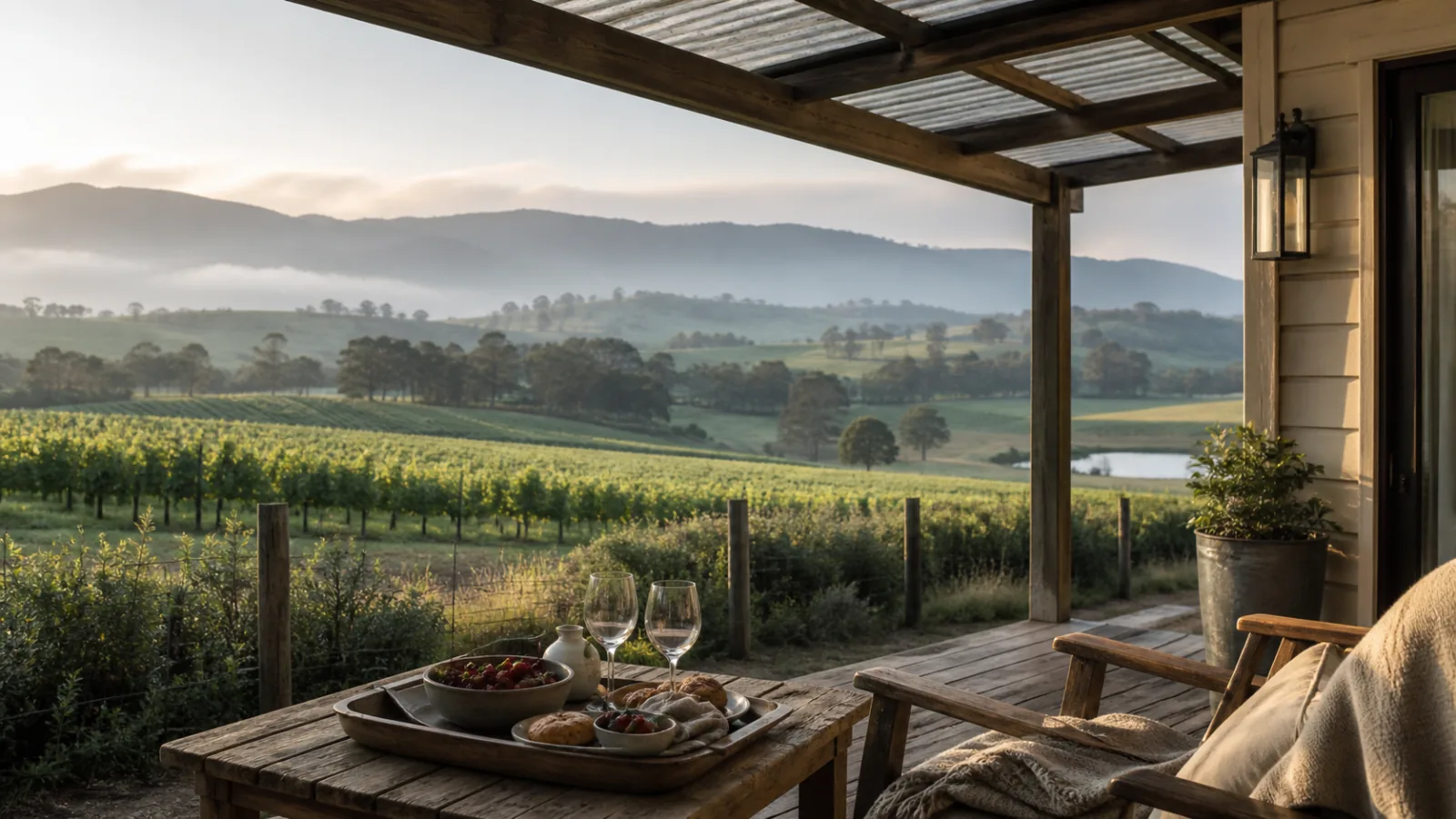
Adelaide holiday homes: city, beach or suburb

The city grid, the beach suburbs and the inner east suit different trips. Pick your side of town first, then the house.

Editorial destination photography

Adelaide holiday homes can put you in the city grid, right by the sand, or in a leafy suburb with its own shops. The right base depends on why you are coming. A festival, a game, a family visit and a wine-country road trip all point to different parts of town.

  1. Useful before inventoryChoose an area with evidence-led local guidance.
  2. Real properties onlyNo generated homes, prices or availability.
  3. Direct property linksPublished stays lead to the host's own website.

Start with what you came for

Adelaide is easy to move around, but the city and the coast are not the same trip. List the places you must reach. Then compare the exact address of each home against how you plan to get there.

A city flat makes a festival or a food weekend simple. A beach house makes a family holiday simple. A bigger home in a suburb gives you space and a driveway, and costs you time when the events are all in town.

If Adelaide is also your base for the Barossa, the Adelaide Hills or the Fleurieu Peninsula, road access and safe parking matter more than being in the middle. A driveway near a main road out of town can beat a car park under a tower.

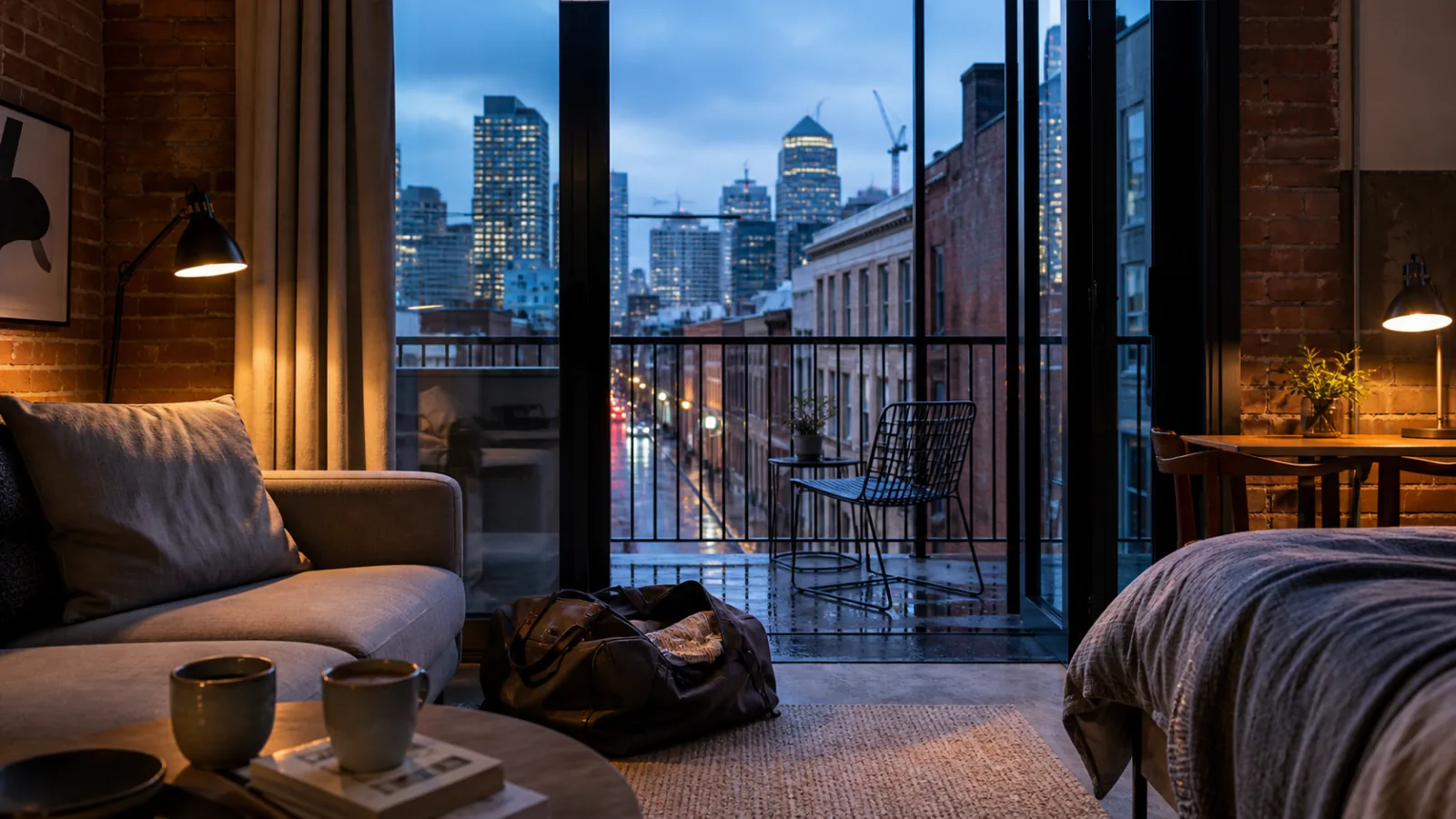
Where to stay in central Adelaide

The CBD is a strong base. You are near Adelaide Central Market, the museums and galleries along North Terrace, and most festival venues. The grid is small and flat, so a lot of it is walkable.

The East End sits near Rundle Street and is busier at night. The West End is closer to the market and the western parklands. Pick the side that matches what you will do after dark.

North Adelaide is just over the parklands. It suits Adelaide Oval, Melbourne Street and O'Connell Street, and it feels calmer than the main city blocks. Adelaide Metro runs a free City Connector bus through the city and North Adelaide, though you should check the current timetable and the nearest stop before you rely on it.

  • Choose the CBD if festivals, the market and the museums lead your trip.
  • Choose the East End if you want dinner and bars on your doorstep.
  • Choose the West End if the market and quieter nights suit you better.
  • Choose North Adelaide for the Oval, the parklands and a calmer street.

Beach and suburb options

Glenelg is the best known beach base. It has the sand, a busy main street and a tram that runs toward the city. If you plan to split your time between beach and centre, check how far the house sits from a tram stop.

Henley Beach gives you sand and a smaller strip of places to eat, west of the centre. West Beach suits families who want the coast and a bit less bustle. Semaphore and Port Adelaide sit further north-west, with a long beach and old port streets.

Away from the coast, Norwood is the inner-east pick, with shops, food and a cinema on the parade. Unley and Goodwood sit just south of the parklands and feel residential while staying close in. None of these swap for each other, so choose by what you will actually do.

  • Choose Glenelg if you want beach plus a tram link to town.
  • Choose Henley Beach or West Beach for a quieter family coast stay.
  • Choose Semaphore or Port Adelaide for a long beach and heritage streets.
  • Choose Norwood, Unley or Goodwood for a leafy suburb close to the centre.

Which kind of holiday home

A city flat gives you a kitchen and a laundry in a small space, and puts you near everything. A suburban house gives you real bedrooms, a yard and somewhere to park. A furnished short-term rental is built for work stays, so check its terms before you use it for a holiday.

Count the permanent beds, the bathrooms, the stairs and the car spaces. Families may want a cot, a high chair, a fenced yard or blackout blinds. Groups should check the noise rules and whether visitors are allowed.

Words like beachfront, city centre and family friendly should each be backed by something specific. Ask for the walking route to the sand. Ask which block the flat sits on. Ask what makes the house good for children.

Trams, buses and the airport

Adelaide Metro runs buses, trains and trams across the city, and it runs buses to and from Adelaide Airport. You can tap a contactless card or phone on the network, but each tap buys one fare at a time. If two of you travel on one card, tap twice.

Some central travel is free. The free City Connector bus loops through the city and North Adelaide. Tram travel is free inside the published central zone only. Adelaide Metro says the free zone ends at South Terrace when you head toward Glenelg, so the rest of that ride needs a fare.

A car is useful for the coast, the Hills and day trips out to wine country. It is less useful in the grid, where parking costs money and walking is quick. Decide which of those two trips you are really taking.

What to check before you book

Get the exact address and the total price with every fee included. Ask about the cancel rules, the check-in process and any bond.

Do not accept parking nearby as an answer. Ask for the width, the height limit and whether the space is yours alone. Ask about heating, cooling, the laundry, Wi-Fi, the kitchen, lift access and where you can leave bags on your last day.

For a beach stay, walk the route on a map before you book. Check whether a busy road sits between the house and the sand, and where the nearest crossing is. That one check saves a lot of arguments with tired children.

  • Ask for the tram or bus stop name, not just a walk time.
  • Check the car space height if you are hiring a van or a four-wheel drive.
  • Ask what is included in the cleaning fee.
  • For beach houses, check the road crossing between the house and the sand.

A long weekend that works

Stay in or near the grid for a three-night trip. Day one, walk the city: the market, North Terrace and the East End at night. You will not need transport at all.

Day two, take the tram to Glenelg or a bus to Henley Beach. Swim, eat, come back late afternoon. Check swimming conditions and any local notice before you get in the water.

Day three, head out. The Barossa Valley and the Adelaide Hills both work as a day trip by car. If you would rather stay put, Port Adelaide and Semaphore fill a good day by train and foot.

Adelaide stay questions, answered plainly.

The local decisions this guide cannot make for you.

Is the Adelaide CBD a good base for a holiday home?

Yes, if your trip is about the market, the museums, festivals and food. The grid is small and flat, so you can walk most of it. A beach or suburb base makes more sense when the coast or family is the reason you came.

Can I get from Glenelg to the city by tram?

Yes, the tram links Glenelg and the city. The whole ride is not free, though. Adelaide Metro says the free central zone ends at South Terrace when you head toward Glenelg, so you need a fare for the rest.

What free public transport does Adelaide have?

There is free tram travel inside the published central zone, and free City Connector bus loops through the city and North Adelaide. Both are run by Adelaide Metro. Check the current map and timetable, because zones and routes can change.

Which Adelaide beach suburb suits families?

West Beach and Henley Beach are usually the calmer picks, while Glenelg is busier and has more shops and food. Whichever you choose, check the walking route from the house to the sand and whether a main road cuts across it.

Can I book an Adelaide holiday home through DirectStay now?

No, not yet. DirectStay has no published Adelaide properties. We only publish homes we have checked, with a link to the host's own website. Use this page to plan and book elsewhere for now.

Sources checked

Local planning facts were checked against official sources on . Timetables, access and conditions can change, so check again before travelling.

Browse every DirectStay destination guide.

See all destinations