Marlborough Sounds holiday homes: start with access

Picton, a road-access bay or a water-access bay. Two homes with the same view can mean two completely different holidays.

Editorial destination photography

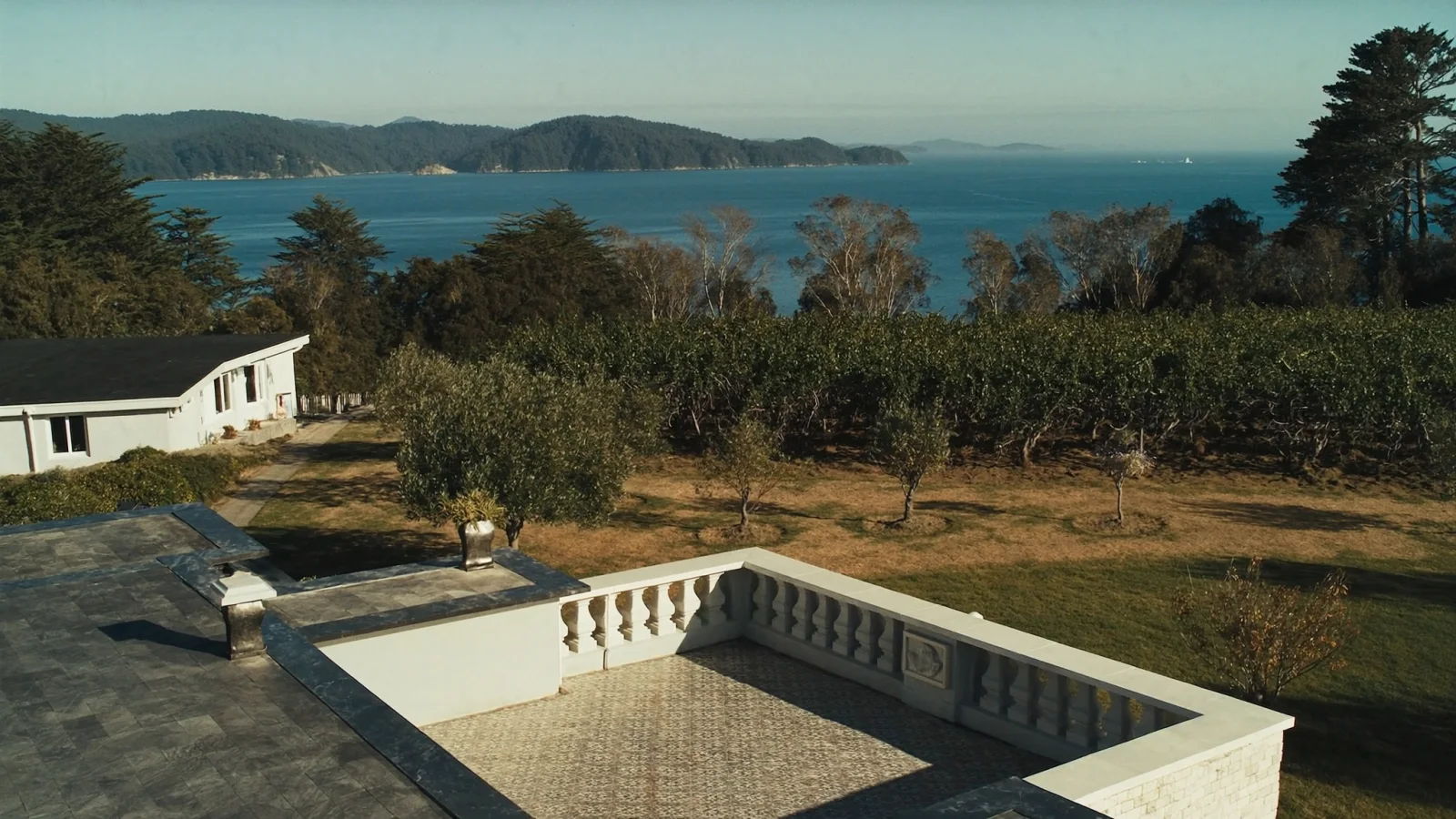
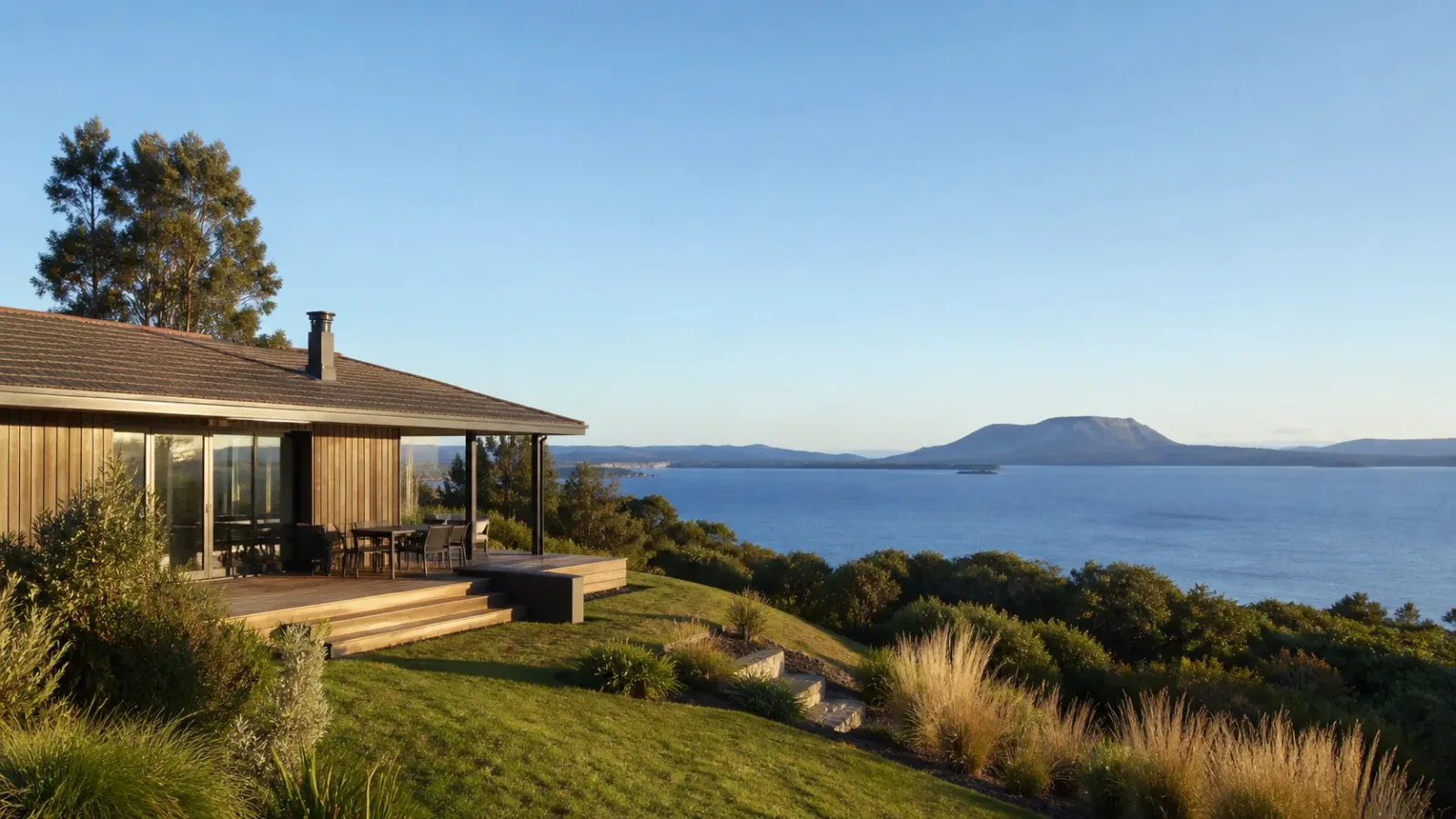
Marlborough Sounds holiday homes range from a short walk off Picton's main street to a bay you can only reach by boat. The view in the photos will look much the same. Getting there, feeding everyone and leaving on time will not. So start with access, and work back to the house.

  1. Useful before inventoryChoose an area with evidence-led local guidance.
  2. Real properties onlyNo generated homes, prices or availability.
  3. Direct property linksPublished stays lead to the host's own website.

Start with access, not the view

Decide how remote you want to be, and be honest about it. Someone who wants cafes, short walks and a boat trip should look at Picton or Waikawa. A group who wants flat water and long days at the house should look deeper into Queen Charlotte, Kenepuru or Pelorus.

Then ask everyone in the group a plain question. Is a winding road, a boat transfer or a walk up from a jetty part of the adventure, or is it a problem? One nervous passenger changes the answer for the whole trip.

Access also decides your food plan. In a remote bay there is no shop, so you carry in what you eat. That is fine when you have planned it and grim when you have not.
Where to stay in the Sounds

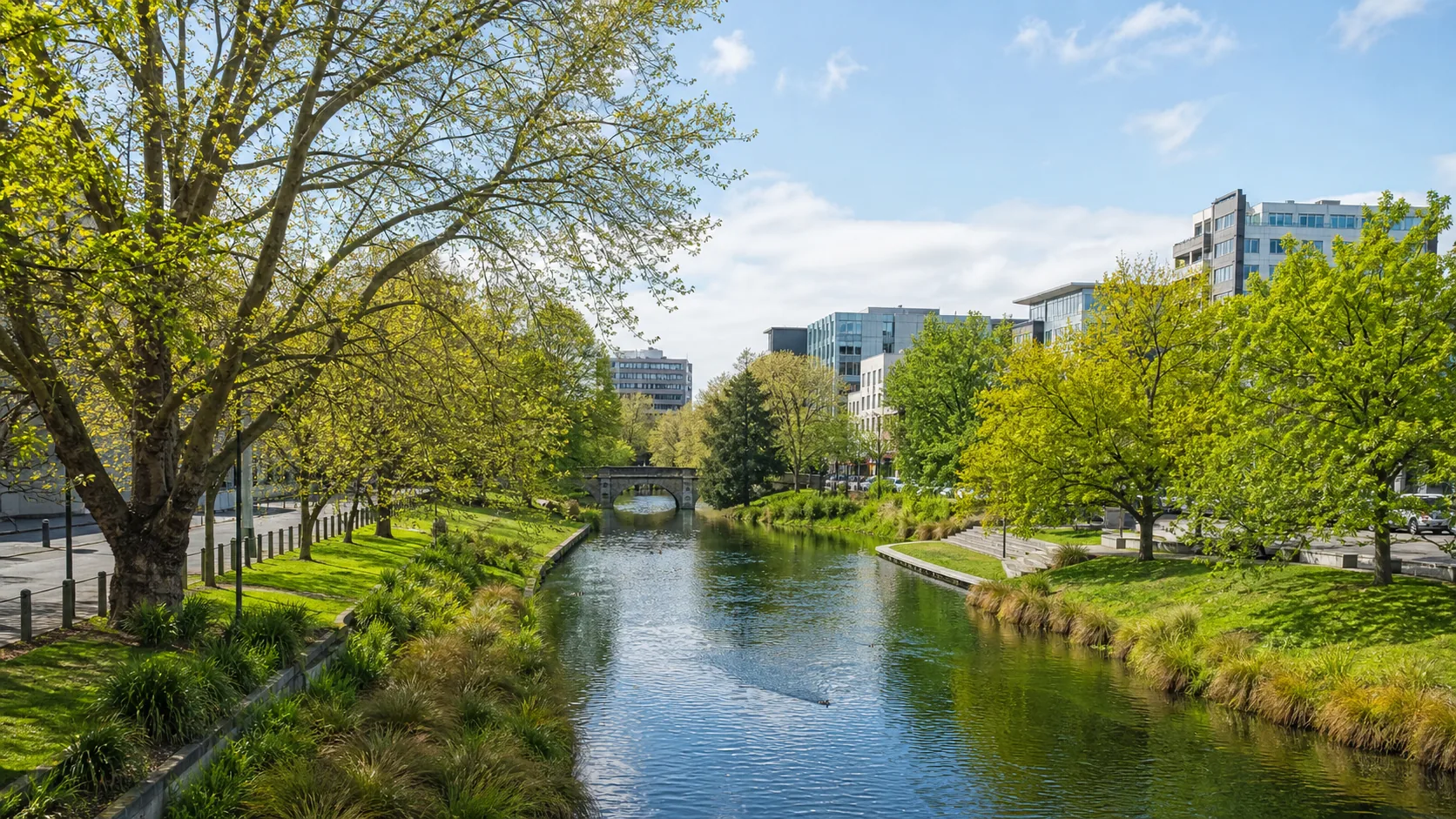
Picton is the practical gateway to Tōtaranui Queen Charlotte Sound. Destination Marlborough describes it as a port town with cafes, restaurants, galleries, shops, and walking and cycling tracks. It suits short stays, ferry connections and anyone who wants cruises or a water taxi without being cut off.

Waikawa sits just around from Picton, near the marina, and is an easy compromise between town and quiet. Anakiwa is at the far end of the Queen Charlotte Track, which makes it a natural base for walkers and riders. Queen Charlotte Drive is the winding road that links Picton and Havelock and has bays along it.

Kenepuru holds remote bays and track access points, and the road in is long. Pelorus is usually reached through Havelock, and Okiwi Bay and Tennyson Inlet sit further out again. Blenheim, on the flat, is a wine-country base rather than a Sounds one. Do not lump every Sounds home under Picton when the drive in starts somewhere else.

  • Choose Picton if you want shops, food and easy ferry connections.
  • Choose Waikawa for quiet water with town still close.
  • Choose Anakiwa if you are walking or riding the Queen Charlotte Track.
  • Choose Kenepuru or Pelorus for real seclusion and a long drive in.
  • Choose Blenheim instead if wine, not water, is the point of the trip.

Road access and water access are different

For a road-access home, ask about the last stretch. Is it sealed, narrow, steep, or affected by current works? Marlborough District Council publishes road recovery and access updates for the Sounds. Check them shortly before you travel, and check again after heavy weather.

Then work out your arrival time. Sounds roads are slow, and driving them in the dark for the first time is no fun. Aim to arrive with daylight to spare.

For a water-access home, the boat trip is part of the booking, not a detail. A water taxi is a small passenger boat that runs on a schedule or by private charter to bays with no road. Confirm which wharf it leaves from, the last useful departure, the cost, and how bags and groceries are handled.

Planning around boats and weather

Weather can stop a boat. Ask the host and the operator what happens if it does, both on the way in and on the way out. Then build a buffer into the day you leave.

That buffer matters most when a flight, a train or a Cook Strait ferry is waiting at the other end. Do not book the last boat out and the first ferry across on the same morning. Give yourself a night in Picton if the timing is tight.

If you are bringing your own boat, treat mooring, fuel and safety gear as separate homework. Check the current rules for the area rather than relying on what a listing says.

Planning around the Queen Charlotte Track

The Queen Charlotte Track runs 73.5 kilometres from Meretoto Ship Cove to Anakiwa. DOC and Destination Marlborough describe it as a multi-day walk or ride, with water taxis used to reach the start and to move bags between stops.

A holiday home can work as a base for one day section, as the start or the finish of a longer trip, or as somewhere to recover afterwards. What it should not do is call itself trackside without explaining the actual connection. Ask how you get from the house to the track, and how long that takes.

Check current track conditions, transport, road notices and any access pass needed for sections that cross private land. All of that changes, so check close to your dates.

What a remote home must tell you

A remote house needs to explain far more than a city flat. A good listing covers how you arrive by road, boat and on foot. It covers mobile coverage, drinking water, waste and rubbish rules, the power supply, heating, food storage and cooking gear. It says where the nearest shop is and how long it takes to get there.

Anything to do with the water needs checking one item at a time. A jetty, a mooring, beach access, kayaks and life jackets are all separate things. Ask which of them exist and what condition they are in.

Families need clear answers about decks, slopes and open water. Everyone needs to know how to reach the host in an emergency, and what to do if the phone has no signal. A beautiful bay does not replace any of that planning.

  • Ask which wharf the water taxi leaves from and when the last run is.
  • Ask how much food you need to carry in and where the nearest shop is.
  • Confirm mobile coverage and any emergency contact plan.
  • Ask what happens to your booking if bad weather stops the boat.

A Sounds trip that actually works

For a first visit, give Picton the first night. You arrive, you eat, you sleep, and nobody drives a winding road in the dark.

Then move out to a bay for two or three nights. One move, not three. Every transfer eats half a day in the Sounds, and the whole point is to stop moving.

Keep the last morning simple. Boat or drive back to Picton, have lunch there, then take the ferry or the road on. That one spare hour is the difference between a calm trip and a stressful one.

Marlborough Sounds stay questions, answered plainly.

The local decisions this guide cannot make for you.

Is Picton the best base for the Marlborough Sounds?

Picton is the most practical base. You get shops, food, ferry connections and easy access to Queen Charlotte Sound trips. A remote bay is better when quiet and time at the house are what you actually want.

Do I need a car in the Marlborough Sounds?

It depends on the house. Some need a car, some need a water taxi, and some need both. Ask for the exact route in before you book, and check current road updates from Marlborough District Council close to your travel dates.

What is a water taxi?

It is a small passenger boat that carries people and bags to bays with no road. Some run to a timetable and some are private charters. Confirm the wharf, the last departure of the day, the cost and how luggage and groceries are handled.

Can I stay in a holiday home and walk the Queen Charlotte Track?

Yes, if the transport lines up with the section you plan to do. The track runs 73.5 kilometres from Meretoto Ship Cove to Anakiwa. Sort water taxis, bag transfers, any access pass and current DOC conditions before you book the house.

Can I book a Sounds home through DirectStay now?

No, not yet. DirectStay has no published Marlborough Sounds properties. Remote stays need careful checking, so we will only publish homes once the access, the gear and the host's own site are confirmed.

Sources checked

Local planning facts were checked against official sources on . Timetables, access and conditions can change, so check again before travelling.

Browse every DirectStay destination guide.

See all destinations